Key details to review before booking a Dubai desert safari
Planning a Dubai desert safari is an exciting step. The promise of golden dunes, a sunset in the open desert, and an evening under the stars draws many visitors. Yet the experience can vary significantly from one operator to another. Knowing what to check before you confirm your booking helps you choose a safari that matches your expectations. Below are the main points to consider.
Duration and itinerary
Not all desert safaris follow the same schedule. Some start in the late afternoon and finish after dinner, while others begin early in the morning and end before noon. Check the exact pick-up and drop-off times. A typical evening safari lasts around six hours, including transport. Ask for a clear itinerary so you know what activities are included and at what time each one happens. This prevents surprises like arriving for dune bashing only to find it is already over.
Dune bashing vehicle and driver
Dune bashing is a core part of most safaris. The vehicle used and the driver's experience matter for both safety and enjoyment. Reputable operators use modern, well-maintained 4x4 vehicles with roll cages and seat belts. Ask whether the driver holds a valid desert-driving permit. A skilled driver knows how to handle the sand without causing discomfort or risk. If you have a medical condition or prefer a gentler ride, check if a separate, less intense option is available.
Inclusions and exclusions
Desert safari packages often list a range of activities, but not everything is always included in the base price. For example, quad biking, camel rides, and falconry shows may cost extra. Read the fine print. Check whether sandboarding, a barbecue dinner, and entertainment such as belly dancing are part of the package or offered at an additional charge. Knowing this upfront helps you budget accurately and avoid disappointment on the day.
Pick-up and drop-off details
Transport is usually provided from hotels or central meeting points. Confirm the pick-up location and whether it covers your area. Some operators charge extra for pick-ups from distant locations or private residences. Also check the drop-off time. Late-night returns are common, so make sure you have a way to reach your accommodation if the drop-off point is not your exact hotel.
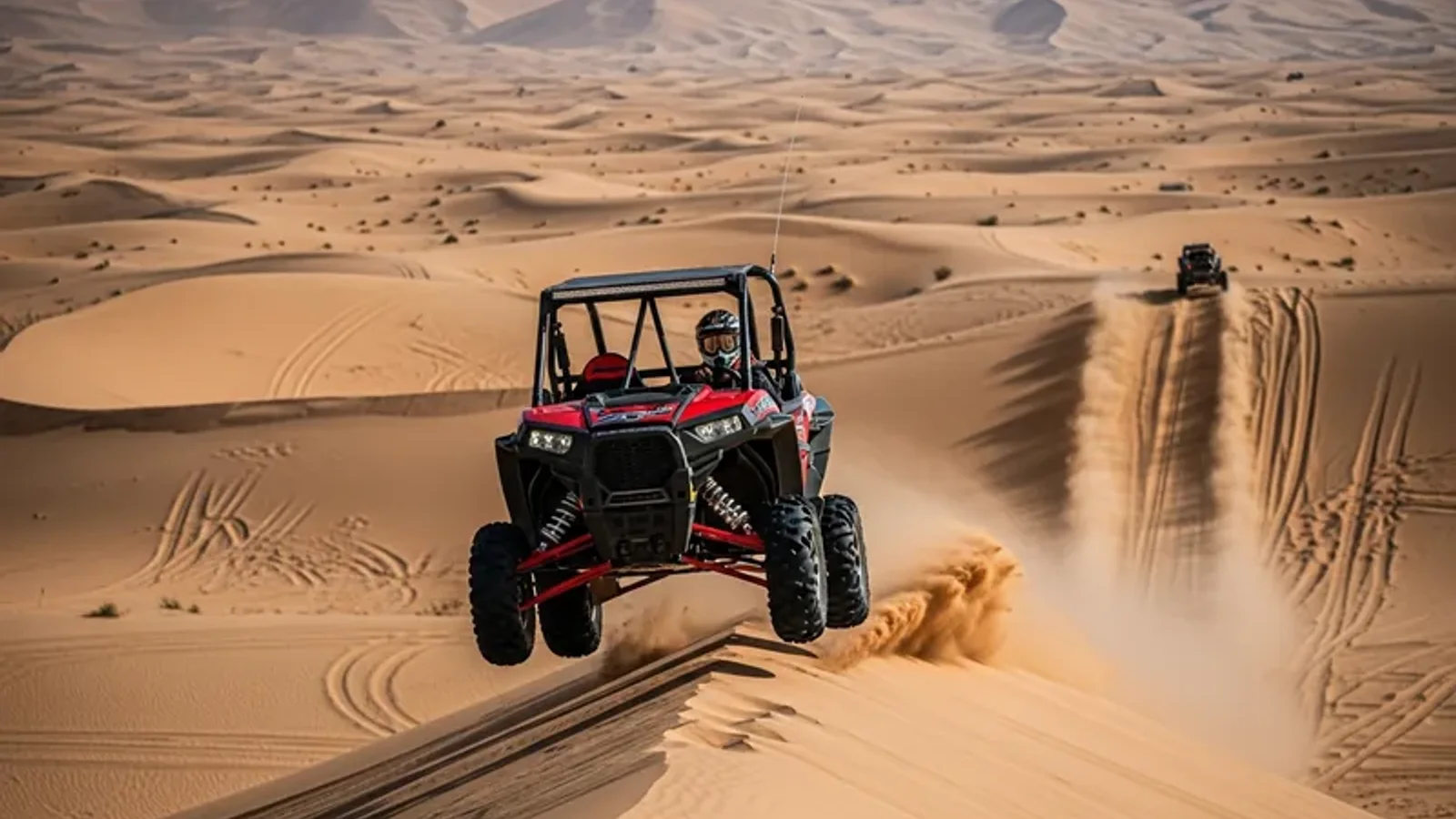
Dune bashing duration and terrain
The duration of dune bashing can range from 15 minutes to nearly an hour. A longer session does not always mean a better one, but it gives you more time to enjoy the dunes. Ask about the type of dunes the vehicle will navigate. High, steep dunes provide a more thrilling ride, while flatter terrain is better for those who prefer a smoother experience. Knowing this helps you choose a safari that suits your comfort level.
Evening programme and dinner quality
The evening portion of a safari typically includes a barbecue dinner and cultural entertainment. Check whether the dinner is served buffet-style or as a set menu. Ask about vegetarian or dietary options if you need them. The quality of the food can vary, so read recent reviews from other guests. Entertainment such as belly dancing and tanoura shows is common, but confirm whether these are included and how long they last.
Sunset photography opportunities
Many visitors choose a desert safari specifically for sunset photography. Check whether the itinerary includes a stop at a scenic dune for the sunset. Some operators schedule this stop naturally, while others rush through it. A good safari gives you at least 15 to 20 minutes to take photos without feeling hurried. If photography is a priority for you, mention it when booking.
Camel ride and other activities
Camel rides are a popular add-on, but the experience differs. Short rides around the camp are common, while longer rides into the dunes are offered by some operators. If you want a genuine camel ride, ask about the duration and route. Similarly, if sandboarding or quad biking interests you, check whether they are included and what equipment is provided. Activities like quad biking often require a separate fee and a safety briefing.
For a reliable source of information on what to expect, you can visit the Classic Desert Safari official site. It outlines typical inclusions and gives a clear picture of a standard desert safari experience.
Group size and private options
Some safaris operate in large groups, while others offer private or small-group experiences. If you prefer a quieter, more personal outing, look for operators that limit group sizes. Private safaris cost more but give you flexibility in timing and activities. For couples or families, a small group often feels more comfortable than a crowded bus. Check the maximum number of guests per vehicle or per camp.

Weather and season
Dubai's desert climate is harsh in summer, with temperatures that can exceed 45 degrees Celsius. The best months for a desert safari are from October to April, when the weather is cooler. If you travel during the hotter months, book an evening safari that starts later in the day. Ask whether the camp has shaded areas, air conditioning, or fans. Staying comfortable in the heat makes a big difference to your enjoyment.
Reviews and reputation
Before booking, spend a few minutes reading recent reviews on multiple platforms. Look for comments about punctuality, vehicle condition, driver behaviour, food quality, and overall organisation. Consistent positive feedback is a good sign. Pay attention to how the operator responds to negative reviews. A responsible operator addresses complaints professionally. Reviews give you a realistic sense of what the safari will be like.
Insurance and safety measures
Safety should be a priority. Ask whether the operator has insurance that covers passengers during dune bashing and other activities. Check if seat belts are mandatory and if the vehicles are inspected regularly. A professional operator will not cut corners on safety. If you have children, ask about age restrictions for certain activities. Many operators have minimum age requirements for dune bashing, for example.
Payment and cancellation policy
Understand the payment terms before you book. Some operators require full payment upfront, while others take a deposit. Check the cancellation and refund policy. If your plans change, you need to know whether you can get a refund or reschedule. Avoid paying in cash to unknown individuals. A secure online payment or credit card transaction offers better protection. Keep a copy of your booking confirmation and the operator's contact details.
What to bring and wear
Comfortable, modest clothing is recommended for the desert. Light fabrics that cover your arms and legs protect you from the sun and sand. Closed-toe shoes are best for dune bashing and walking on sand. Bring a scarf or hat for sun protection, and carry a bottle of water. The desert can get cool after sunset, so a light jacket or sweater is useful. Check whether the operator provides any equipment, such as sandboards or helmets, or if you need to bring your own.
Environmental responsibility
Choose an operator that respects the desert environment. Responsible operators avoid damaging the dunes and do not leave litter behind. They also treat their camels and other animals humanely. If you witness any form of animal mistreatment, report it. A good safari leaves the desert as pristine as it was found. This consideration adds to the overall quality of the experience.
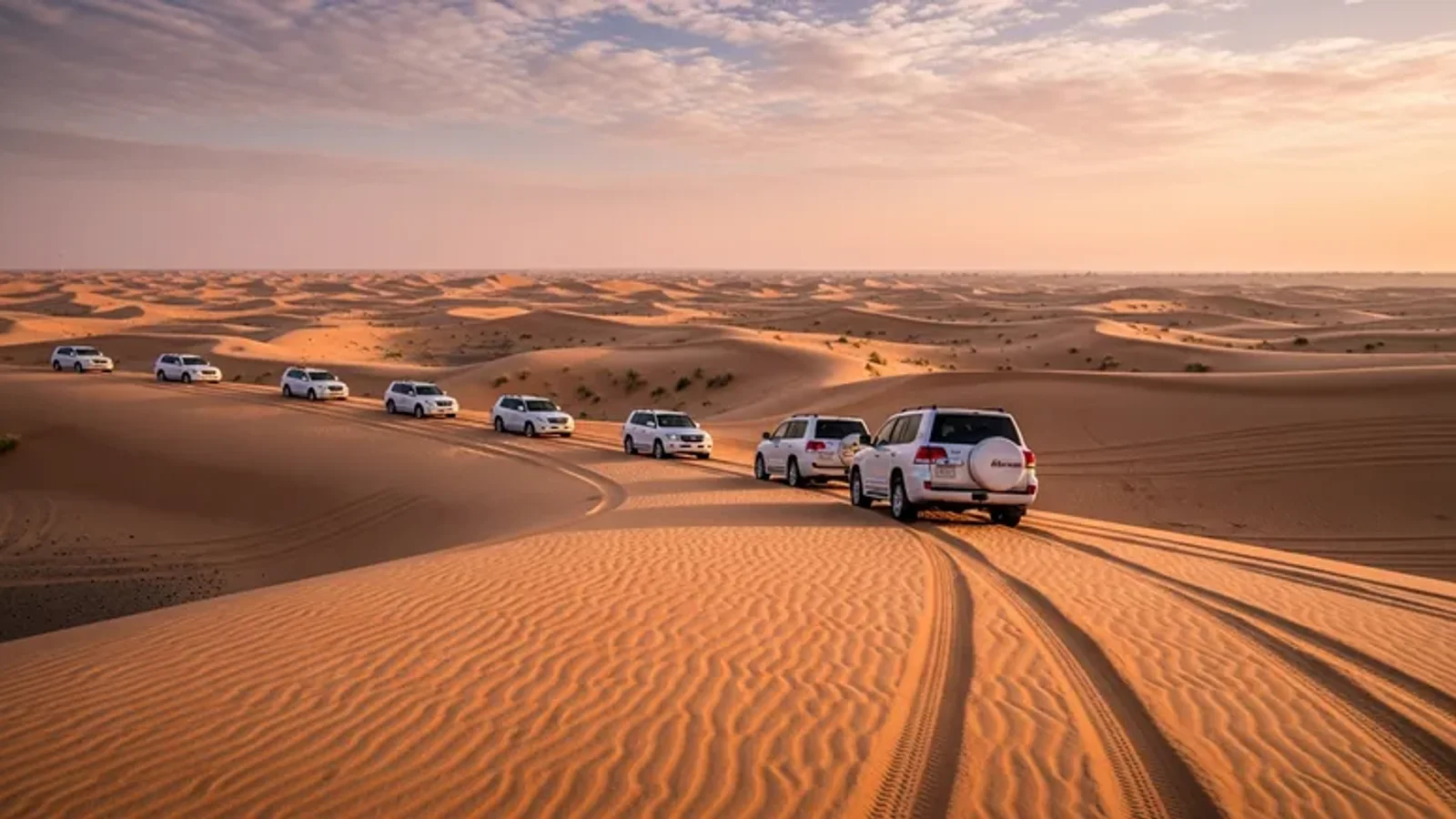
If you want to see how a well-run desert safari looks, the Classic Desert Safari official site gives you a clear outline of the activities and inclusions. Using that as a reference can help you compare other operators and make an informed choice.
Final checks before you confirm
Before you finalise your booking, run through a short mental checklist. Does the itinerary match what you want? Are all activities you care about included? Is the pick-up location convenient? Are the vehicle and driver up to standard? Have you read recent reviews? Is the payment secure? Answering these questions will help you select a safari that delivers the experience you are looking for.